Efficacy
Tumor-model data in TNBC and pancreatic cancer cell lines with distinct TP53 mutations. After 72 hours, CellTiter-Glo assays showed significantly lower viability versus a benign breast control line.
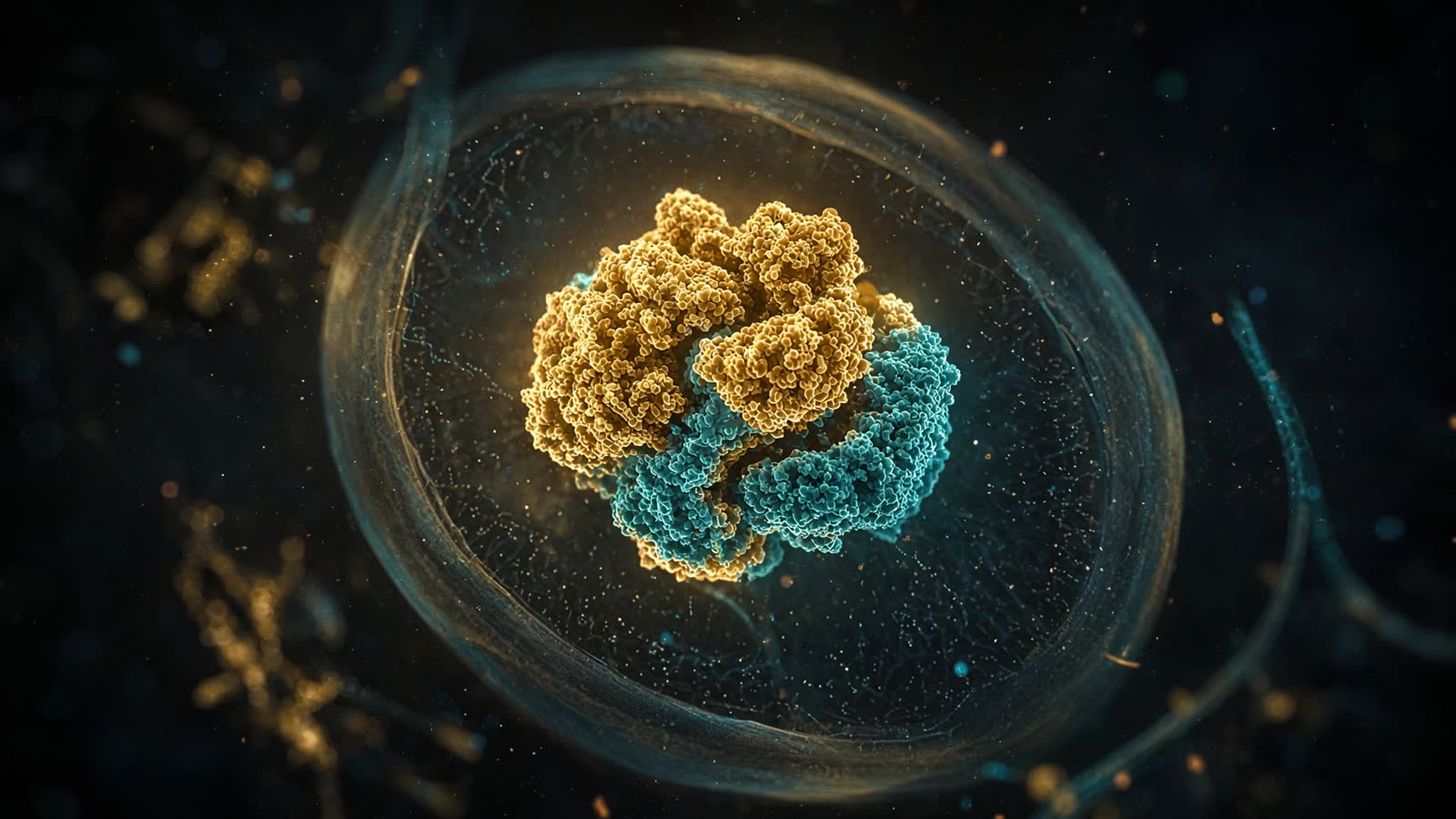
Our science
Mutations in p53 drive aggressive cancers such as TNBC and pancreatic cancer, yet remain difficult to target. PHP Biotech developed the p53-reactivating peptide 3-NAntC and a nanobody platform that delivers it inside tumor cells.
PHP Biotech engineered a novel nanobody platform that engrafts 3-NAntC and other peptides, transforming unstable sequences into highly stable assets that reach tumor cells through internalization. The result is PHP53-nb: a linker-free recombinant biologic designed to restore p53’s natural tumor-suppressing function.
The following sections summarize PHP Biotech’s key preclinical data. These are company-reported findings and have not yet been evaluated in human trials.
Tumor-model data in TNBC and pancreatic cancer cell lines with distinct TP53 mutations. After 72 hours, CellTiter-Glo assays showed significantly lower viability versus a benign breast control line.
Stepwise intracellular action: selective binding, clathrin-mediated endocytosis, cytoplasmic release, ROS/ER stress, p53 reactivation, mitochondrial permeabilization, and apoptosis.
Zebrafish model communications describe a wide safety margin, including 100% embryo viability at high concentrations and reduced tumor progression comparable to doxorubicin without the same observed toxicity.
PHP53-nb migrates at the expected ~17 kDa molecular weight. A ~27.7 kDa dimer visible on non-reduced gels is cleared during purification, yielding a high concentration of monomers.
In mice, PHP53-nb reaches TNBC xenograft tissue, persists up to 24 hours post-administration, and overcomes a classic nanobody limitation: rapid clearance with low target retention.
Triple-negative breast cancer cells, pancreatic cancer cell lines, and other cancers with different TP53 mutations were treated with PHP53-nb for 72 hours. Cell viability was measured by the CellTiter-Glo assay. All tested tumor lines showed significantly lower viability compared with a control benign breast cell line in vitro, consistent with selective antitumor activity.
Company communications also describe a lack of activity in wild-type p53 benign and malignant cell lines, a favorable tolerability profile, and prolonged tumor retention in vivo. The underlying peptide, 3-NAntC, is described in a 2024 peer-reviewed paper in Molecules by Bezerra and Motti.
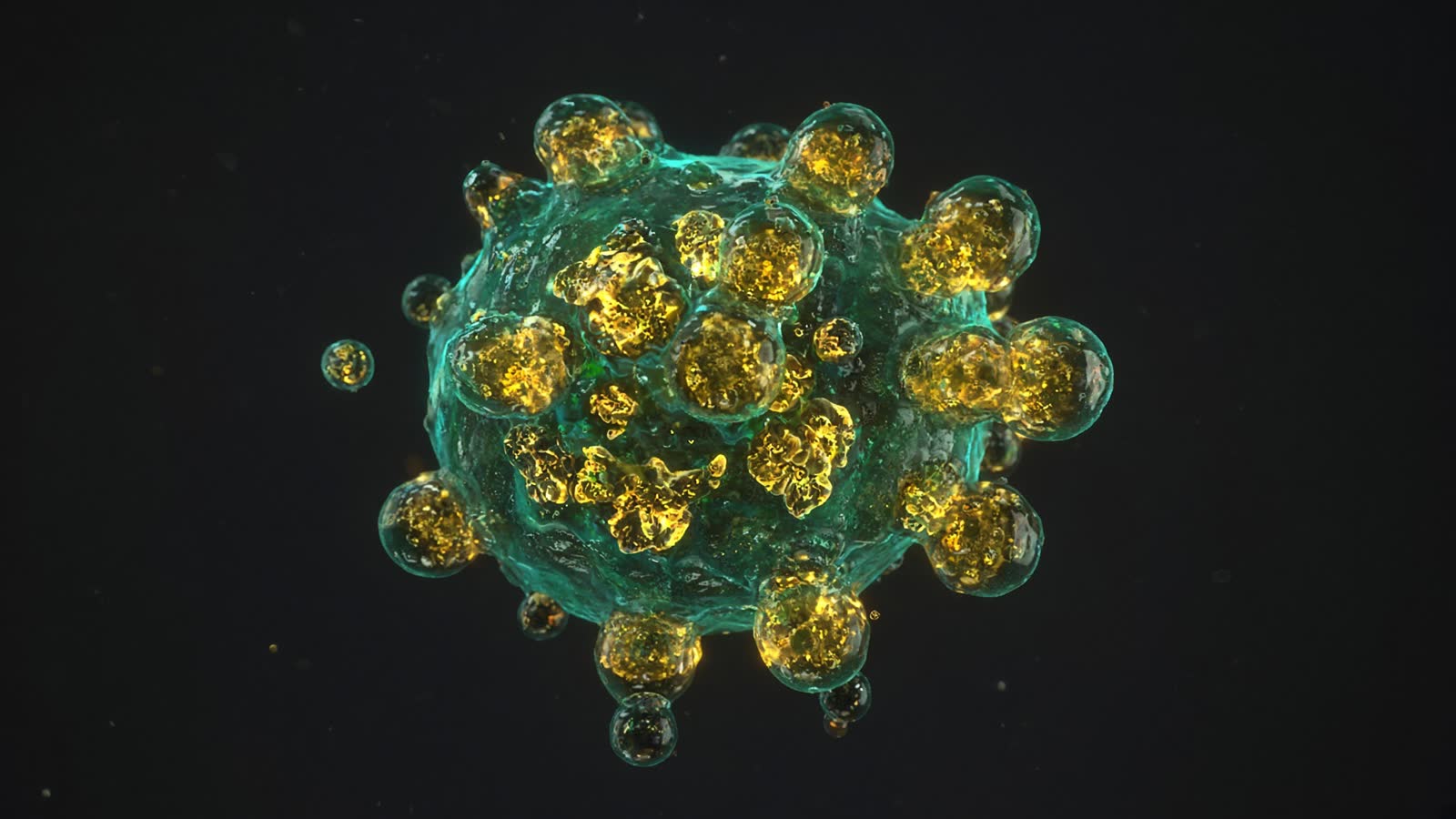
PHP53-nb induces apoptosis through reactivation of p53 and oxidative stress, culminating in mitochondrial collapse.
01
PHP53-nb preferentially engages a tumor-associated membrane ligand, supporting selectivity for biologically defined tumor subpopulations rather than unselected tissue.
02
The nanobody enters the cell through clathrin-coated vesicles — a first-in-class intracellular biologic route for this payload — rather than remaining at the cell surface.
03
After internalization, PHP53-nb leaks into the cytoplasm, where the genetically integrated 3-NAntC peptide can act without chemical linkers or conjugation steps.
04
Proteasome modulation, rising reactive oxygen species, and endoplasmic reticulum stress trigger the unfolded protein response and restore p53 apoptotic signaling.
05
Mitochondrial permeabilization follows, committing the cancer cell to apoptosis while benign control lines in published summaries remain comparatively spared.
PHP53-nb migrates at the expected molecular weight of ~17 kDa on reduced and non-reduced gels, with good purity. A dimer of ~27.7 kDa visible on the non-reduced gel is cleared at the end of purification, resulting in a high concentration of monomers.
Fluorophore-labeled PHP53-nb demonstrated efficient systemic distribution and tissue perfusion, reached TNBC xenograft tissue, and showed persistent tumor localization up to 24 hours post-administration — addressing the classic nanobody limitation of rapid clearance and low target retention.
Scientific summaries on this page are company-reported unless a citation is given. The 3-NAntC peptide itself is described in a peer-reviewed, open-access paper. PHP53-nb as a full nanobody construct remains investigational and is not FDA-approved.
Indexed on PubMed, Crossref, or Google Patents. Internal, unpublished data is not listed as peer-reviewed work.
Peer-reviewed · 2024
Bezerra P, Motti EF
Molecules. 2024;29(7):1646
doi:10.3390/molecules29071646PMID 38611925
First author. Open access (PMC11013444). Company-funded.
Patent · 2023
Bighetti MR, Bezerra PHA
WO2023220553A2 (PCT/US2023/066685); applicant PHP Biotech International Inc.
Named inventor. Non-toxic bioactive snake-venom peptide for aggressive solid tumors.
Last reviewed 19 August 2026. This is not medical advice. Full company bibliography.