Preclinical
PHP53-nb
Therapeutic humanized camelid nanobody
Lead candidate. Preclinical package advancing toward planned IND-enabling work, with Phase I anticipated in 2027.
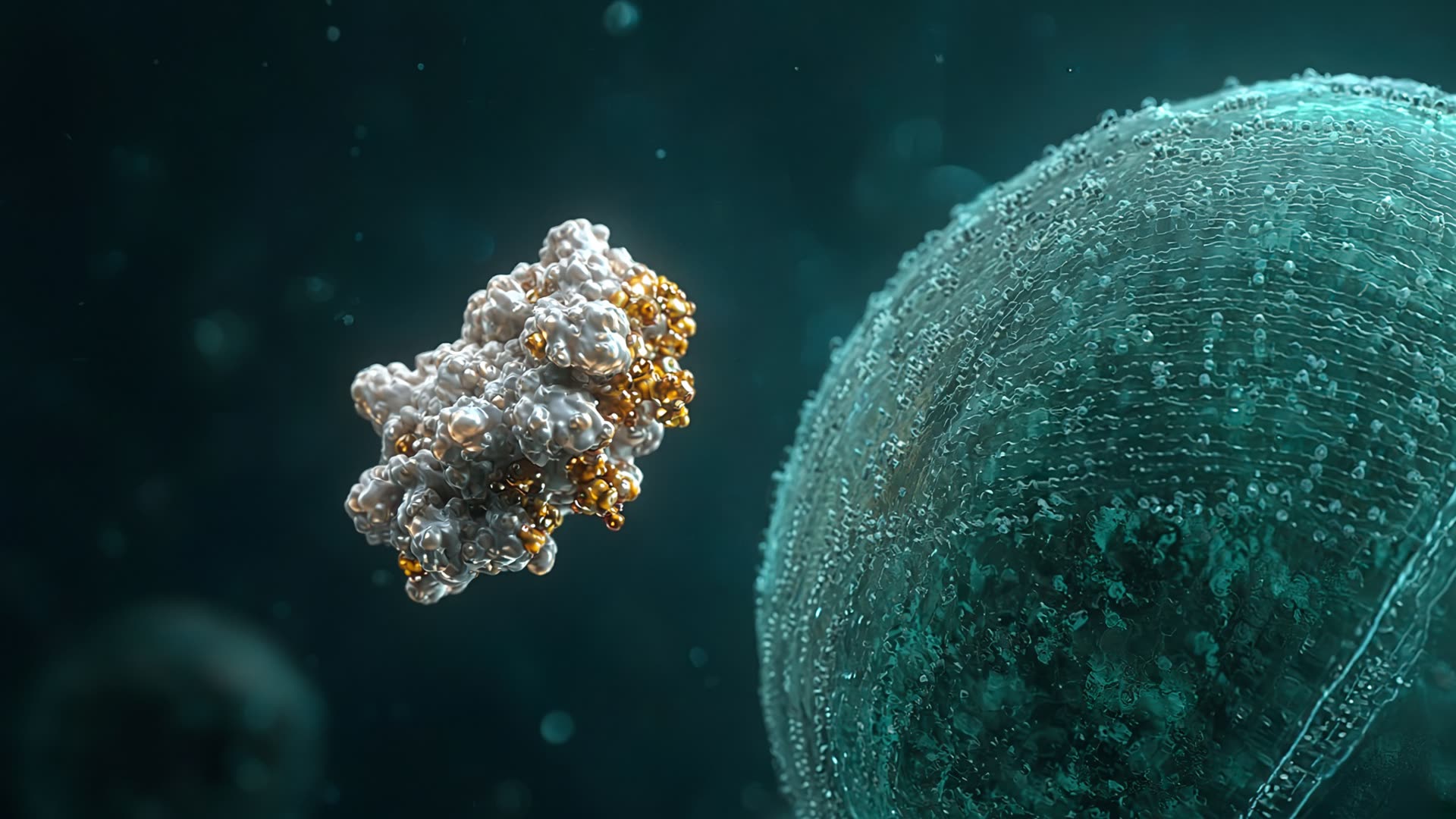
Novel therapeutic nanobody
PHP Biotech is developing PHP53-nb, a first-in-class humanized camelid nanobody designed to enter tumor cells, restore mutant p53 function, and trigger apoptosis in aggressive solid tumors — beginning with triple-negative breast cancer.
~50%
of all human cancers carry a TP53 mutation
~70%
of aggressive tumors contain a TP53 mutation
2.4M
women diagnosed with breast cancer worldwide in 2024
~17 kDa
molecular weight of PHP53-nb — about 1/10th a monoclonal antibody
Our focus
Triple-negative breast cancer is highly aggressive, with fewer targeted options than other breast-cancer subtypes. PHP53-nb is a patented, linker-free nanobody that internalizes within cancer cells and initiates reactivation of p53, leading to apoptosis.
The World Health Organization estimates 2.4 million women were diagnosed with breast cancer in 2024, with 694,000 deaths globally. Mutations in TP53 — present in about half of all human cancers — remain among the most important and least successfully drugged oncology targets.
Mechanism of action
01
PHP53-nb preferentially engages a tumor-associated membrane ligand, supporting selectivity for biologically defined tumor subpopulations rather than unselected tissue.
02
The nanobody enters the cell through clathrin-coated vesicles — a first-in-class intracellular biologic route for this payload — rather than remaining at the cell surface.
03
After internalization, PHP53-nb leaks into the cytoplasm, where the genetically integrated 3-NAntC peptide can act without chemical linkers or conjugation steps.
04
Proteasome modulation, rising reactive oxygen species, and endoplasmic reticulum stress trigger the unfolded protein response and restore p53 apoptotic signaling.
05
Mitochondrial permeabilization follows, committing the cancer cell to apoptosis while benign control lines in published summaries remain comparatively spared.
Platform
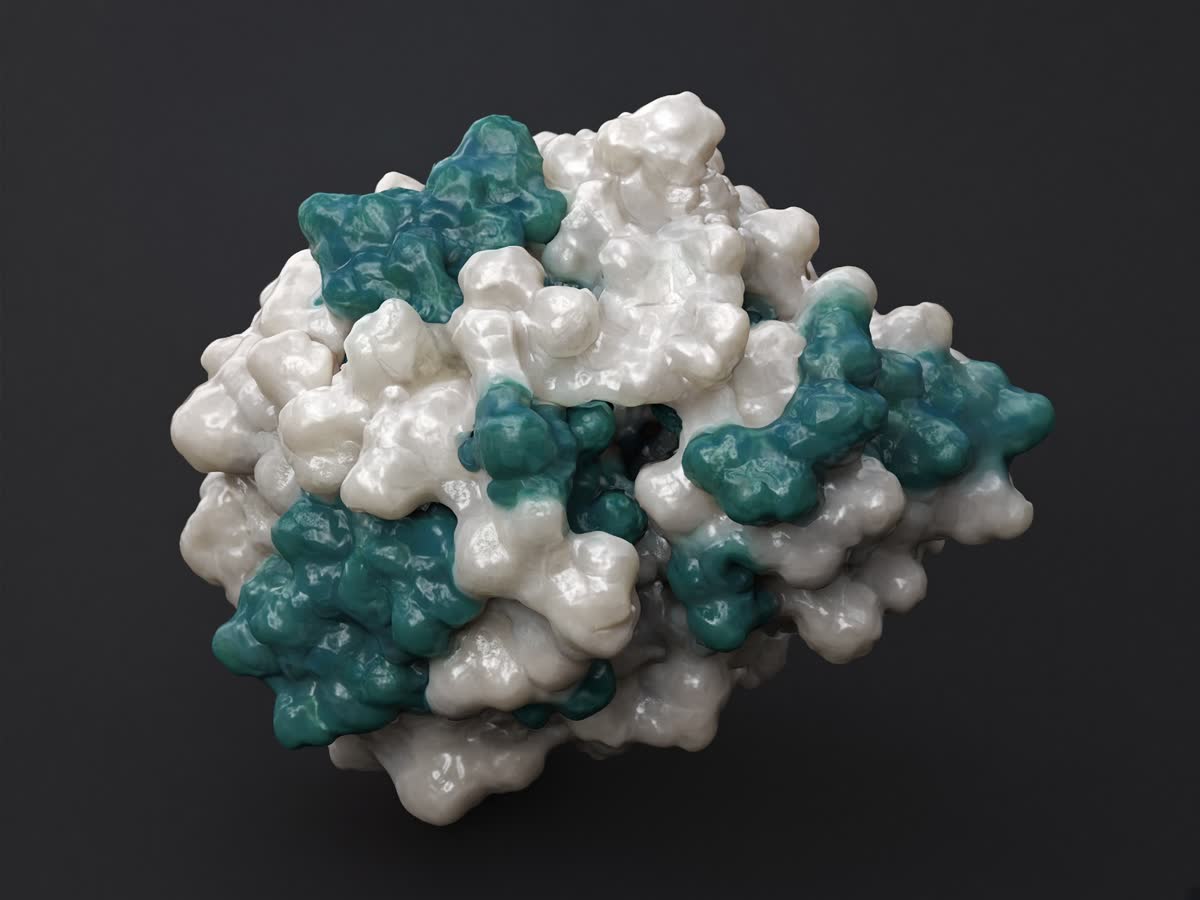
At ~17 kDa, PHP53-nb is about one-tenth the size of a traditional monoclonal antibody. The 3-NAntC peptide is genetically integrated into the GEN01-AD nanobody — no chemical linkers — enabling a modular intracellular biologic platform.
| Trait | Nanobody | mAb |
|---|---|---|
| Molecular weight | ~17 kDa | ~150 kDa |
| Tumor penetration | Deeper | Limited |
| Stability | Higher | Lower |
| Production cost | Lower | Higher |
Pipeline
Preclinical
Therapeutic humanized camelid nanobody
Lead candidate. Preclinical package advancing toward planned IND-enabling work, with Phase I anticipated in 2027.
Integrated
p53-reactivating peptide payload
Genetically engrafted into the nanobody scaffold — no linkers, post-modifications, or extra manufacturing steps.
Platform
Humanized camelid nanobody delivery platform
Reusable architecture for additional payloads beyond PHP53-nb, including future multi-specific constructs.
About
Founded in 2020 by healthcare entrepreneurs and powered by a scientific team, global CROs, and CDMOs specializing in nanobody and translational biotechnology. Headquartered in Southlake, Texas.

PHP Biotech International Inc. is a US-based, privately held biotechnology company founded in 2020 and headquartered in Southlake, Texas. It develops intracellular nanobody therapeutics designed to restore p53 apoptotic function in aggressive solid tumors, starting with triple-negative breast cancer.
PHP53-nb is PHP Biotech’s lead candidate: a first-in-class humanized camelid nanobody that genetically incorporates the p53-reactivating peptide 3-NAntC. It is engineered to enter tumor cells, reactivate mutant p53, and trigger apoptosis. It is investigational and not approved by the FDA.
PHP53-nb binds a tumor-associated membrane ligand, enters the cell by endocytosis, and releases its payload in the cytoplasm. That payload drives oxidative and ER stress, reactivates p53 signaling, collapses mitochondria, and commits the cancer cell to programmed death.
A nanobody is a single-domain antibody fragment derived from camelid heavy-chain antibodies. At about 17 kDa, PHP53-nb is roughly one-tenth the size of a traditional monoclonal antibody (~150 kDa), which can improve tumor penetration, stability, and manufacturing economics.
p53 is a tumor-suppressor protein often called the guardian of the genome. Mutations in TP53, the gene that encodes p53, occur in about half of all human cancers and in a still higher share of aggressive tumors. Restoring p53 function is a long-sought, historically difficult oncology strategy.

Scientific collaborators, CROs, CDMOs, and qualified investors are invited to start a conversation.