No linkers required
The 3-NAntC peptide is genetically integrated into the nanobody structure itself — no chemical linkers, post-modifications, or extra manufacturing steps.

Platform
Therapeutic peptides such as 3-NAntC are inherently unstable in plasma. GEN01-AD is a proprietary humanized camelid nanobody platform engineered so those peptides can reach tumor cells as a single recombinant biologic.
PHP53-nb is a humanized camelid nanobody. The smaller size creates practical advantages in penetration, stability, cost, and modularity.
| Attribute | PHP nanobody | Traditional mAb |
|---|---|---|
| Molecular weight | ~17 kDa | ~150 kDa |
| Tumor penetration | Deeper | Limited |
| Stability | Higher | Lower |
| Production cost | Lower | Higher |
| Modularity | Conjugates and multivalents | Conjugation limits |
| Linkers required | None — genetic integration | Often required for ADCs |
The 3-NAntC peptide is genetically integrated into the nanobody structure itself — no chemical linkers, post-modifications, or extra manufacturing steps.
At 17 kDa, PHP53-nb is about 1/10th the size of a traditional mAb (~150 kDa), enabling deeper tumor penetration and lower immunogenicity.
Expressed in CHO cells with standard bioprocessing. Gene-optimized plasmids increased yields more than 100-fold, from 5 mg/L to 693 mg/L.
The same architecture can, in principle, support anti-inflammatory, anti-infective, metabolic, analgesic, and diagnostic-imaging constructs.
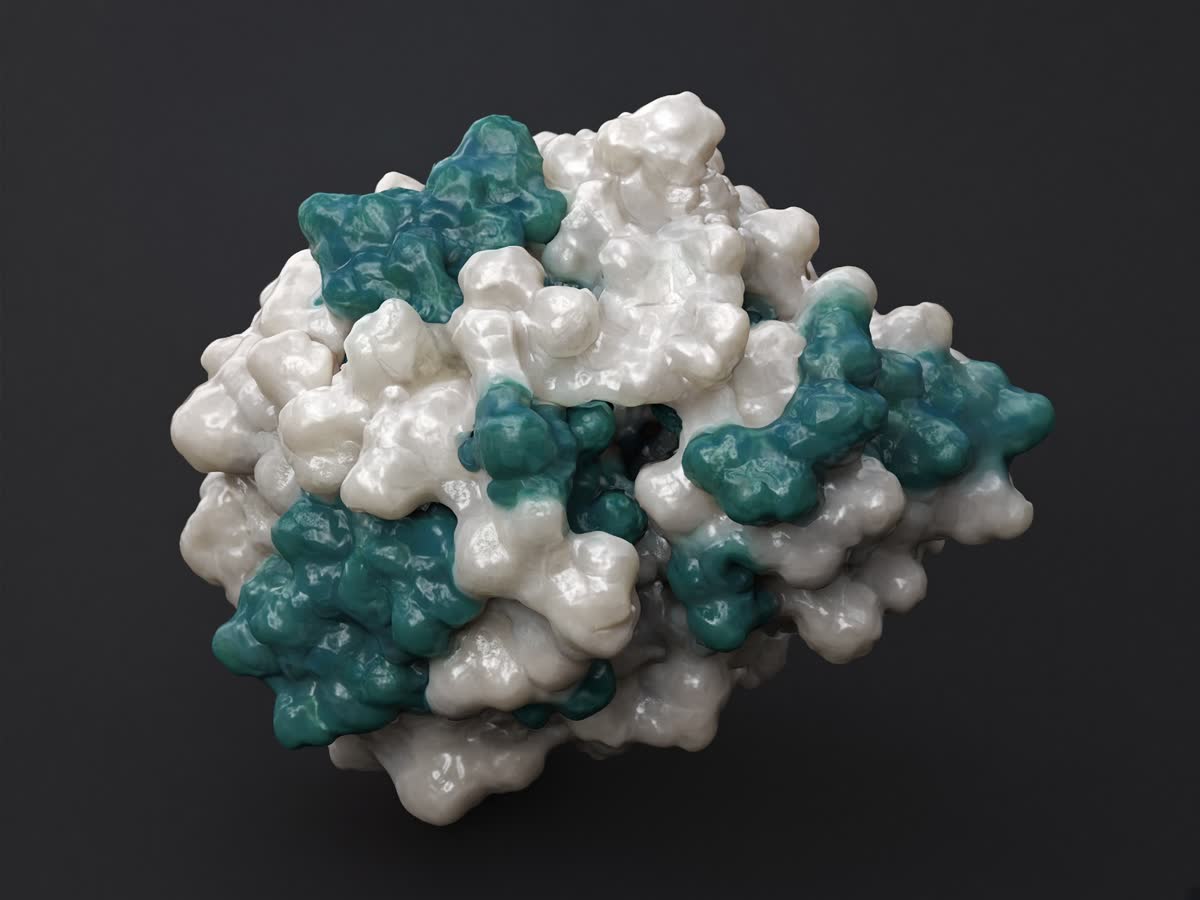
The strategic value is not only PHP53-nb itself. GEN01-AD was designed for intracellular biologic delivery, programmable payload integration, linker-free recombinant design, multi-specific engineering potential, and applicability across multiple therapeutic areas.
PHP53-nb is derived from camelid antibodies and humanized for compatibility with human therapeutic applications. Gene-optimized plasmids demonstrate comparable activity to lab batches.