
Potential impact
Bringing new hope to patients with few treatment options
Patients with aggressive solid tumors face poor outcomes because too few medicines address the biology that actually drives those tumors. PHP53-nb is designed against mutant p53 — a high-frequency, high-need target.
The unmet need
PHP Biotech’s lead candidate has demonstrated strong preclinical promise in triple-negative breast cancer, one of the most aggressive and treatment-resistant types of breast cancer. Beyond TNBC, the molecule also shows potential in other hard-to-treat malignancies, including pancreatic cancer.
TP53 genetic mutations occur at high frequency in aggressive tumors in multiple organs. Therapeutics targeting those mutations have the potential to treat many types of cancers — which is why a platform, not only a single asset, matters.
~50%
of all human cancers contain a TP53 mutation.
~70%
of aggressive tumors contain a TP53 mutation.
2.4M
women diagnosed with breast cancer worldwide in 2024, with 694,000 deaths (WHO, 2026 fact sheet).
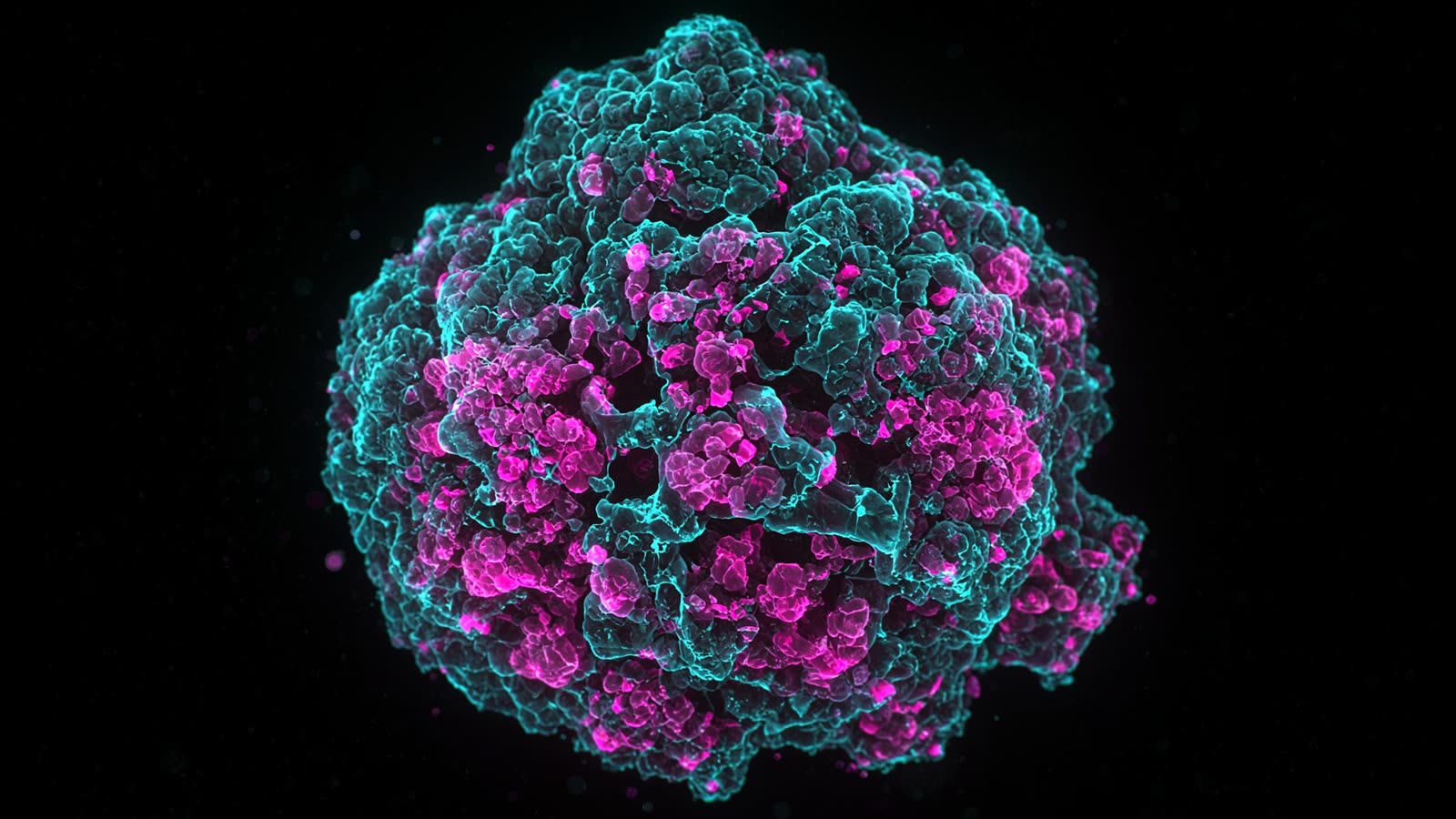
Why TNBC first
TNBC lacks estrogen receptor, progesterone receptor, and HER2 amplification, so many of the targeted medicines that transformed other breast cancers do not apply. It is enriched for TP53 mutations and still depends heavily on chemotherapy.
A medicine that could restore p53-driven apoptosis inside TNBC cells would address a biological driver rather than a surface marker alone. That is the hypothesis PHP53-nb is built to test — first in models, then, if regulators allow, in people.