Healthy cells know when to die. Many cancer cells forget.
PHP Biotech is building a tiny protein — about one-tenth the size of a typical antibody — designed to walk into a tumor cell and restart a broken safety switch called p53. This page explains that idea without the jargon, and flags the words we still need.
Inside a healthy cell, a protein named p53 can tell that cell to stop dividing — or to die — if its DNA is too damaged to fix. Many aggressive cancers mute that order. PHP’s lead candidate, PHP53-nb, is a very small antibody-like protein meant to enter those tumor cells and help turn the order back on. It has shown promise in laboratory dishes and animal models. It has not been given to people.
That last sentence matters more than the rest. Laboratory success is not a medicine. Nothing on this website is medical advice, and PHP53-nb is not FDA-approved.
The problem
A safety switch that cancer learns to break
Think of p53 as the building’s fire system: it notices damage and can shut the floor down, or empty it, before the fire spreads. The gene that makes p53 is called TP53. When TP53 is mutated, the alarm is still on the wall — it just doesn’t ring.
That is not a rare glitch. Roughly half of all human cancers carry a TP53 mutation. In some of the meanest tumors the share is higher still. Drugmakers have tried for decades to restart p53. It is a famous, stubborn target, which is why a new way in is worth explaining carefully.
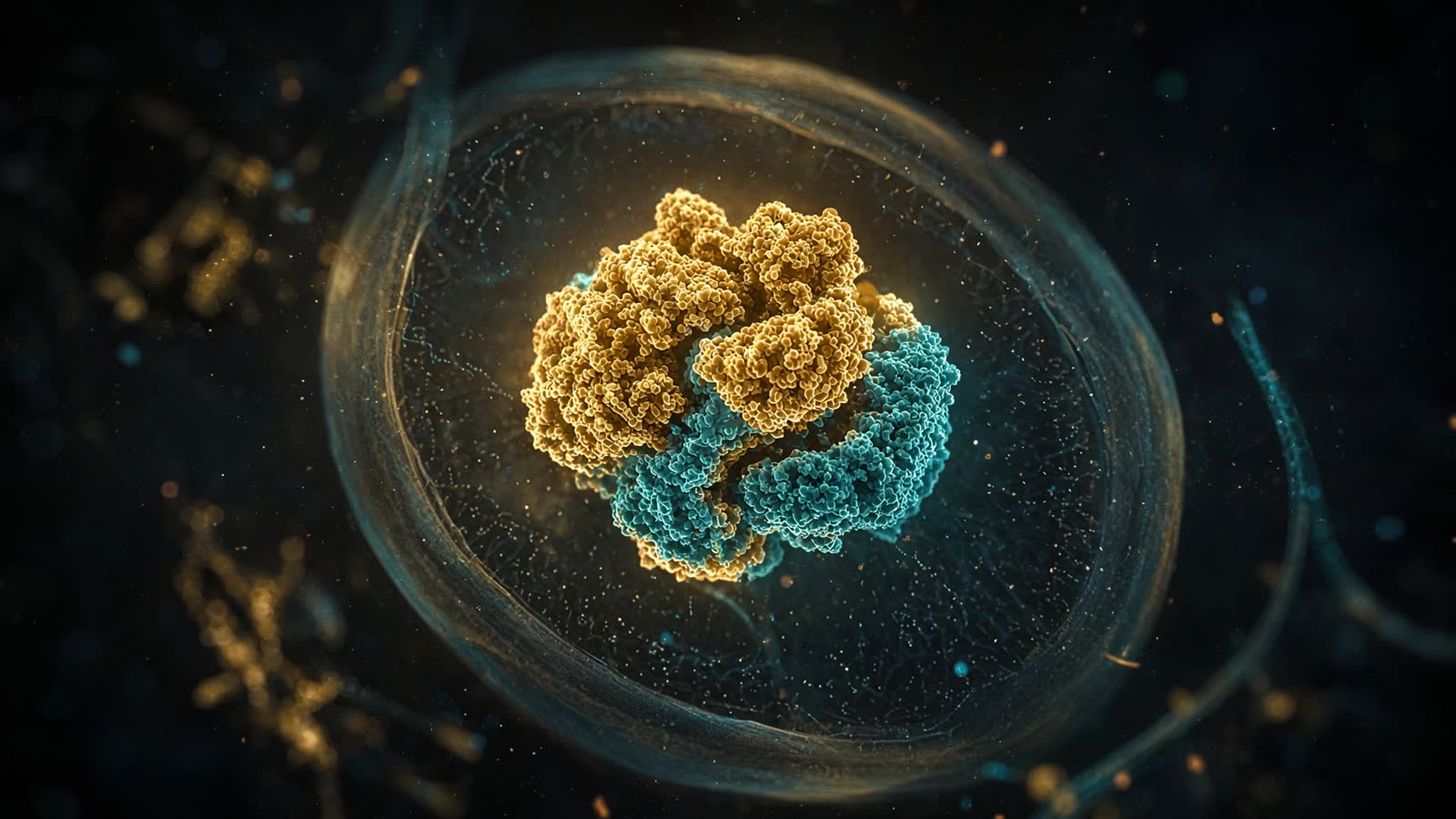
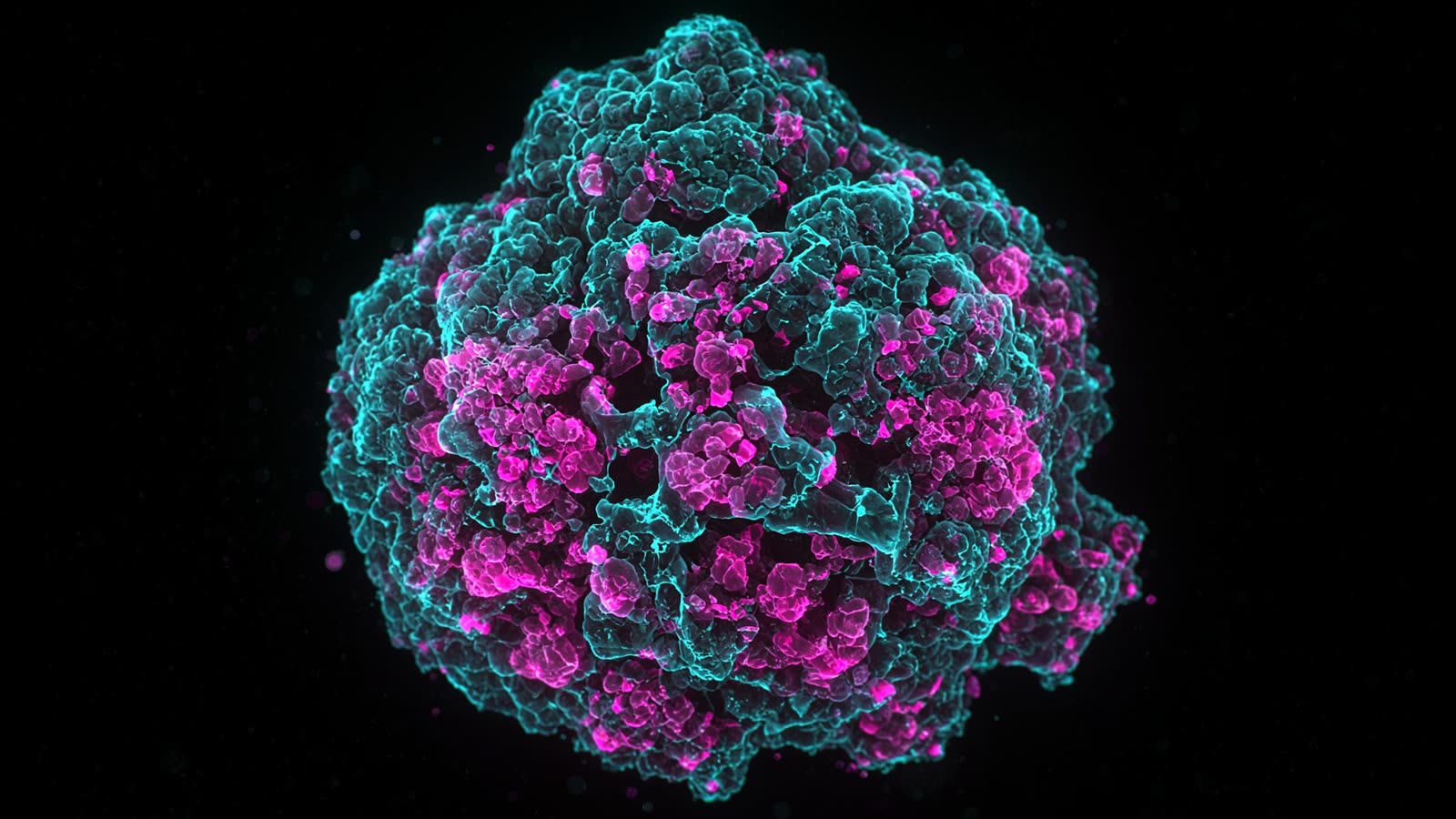
Conceptual image — not a patient scan or a primary data figure.
Where we start
Triple-negative breast cancer, because the usual handles are missing
Many breast cancers can be treated by aiming at one of three “handles” on the cell: estrogen receptors, progesterone receptors, or HER2. Triple-negative breast cancer (TNBC) has none of those three, so the usual targeted drugs have little to grab. TNBC also often carries TP53 mutations. That combination — few handles, a broken p53 switch — is why PHP is starting there, with other hard tumors such as pancreatic and ovarian cancer in the wider preclinical view.
Two pieces, one molecule
A message that dissolves in the rain, and a case that doesn’t
The idea is not one invention. It is two, fused so they cannot come apart in the bloodstream.
The message · 3-NAntC
A short peptide
A peptide is a tiny stretch of protein — more like a sentence than a book. 3-NAntC is a lab-made fragment inspired by a piece of rattlesnake venom that can stress certain breast-cancer cells. In a 2024 peer-reviewed paper, it lowered the survival of an aggressive TNBC cell line while leaving ordinary breast cells mostly unharmed. The catch: peptides this small are usually shredded in blood, the way a paper note ruins in the rain.
The case · GEN01-AD
A nanobody
A nanobody is a miniature antibody. Camels and llamas make a naturally small version; PHP’s is engineered and humanized. At about 17 kilodaltons it is roughly one-tenth the bulk of the monoclonal antibodies used in many cancer clinics (~150 kDa). The peptide is not taped onto this case with a chemical linker. It is written into the nanobody’s own sequence, so manufacturing is one protein, not a glue job.
Put together, that single protein is called PHP53-nb — “nb” for nanobody. The platform underneath, which could in principle carry other messages later, is GEN01-AD.
Five things that happen next
This is the company’s working model, based on laboratory studies. It is a map, not a guarantee of what will happen in a person.
1
It looks for the tumor
The nanobody is built to prefer a marker that shows up more often on certain cancer cells than on ordinary tissue — a bit like a package addressed to one house, not every house on the street.
2
The cell takes it in
Instead of sitting on the surface, it is swallowed into the cell in a small bubble. Scientists call this endocytosis. For this program, getting inside is the whole point.
3
The message is already on board
The 3-NAntC peptide is written into the nanobody’s own gene — not glued on later. Once the bubble opens in the cell’s interior (the cytoplasm), the payload is already there.
4
The safety switch is nudged back on
Inside, the construct stresses the cell’s recycling and protein-folding machinery. In the company’s model, that pressure helps restart p53, the protein that is supposed to order a damaged cell to die.
5
The cancer cell dismantles itself
If the order goes through, the cell’s energy factories (mitochondria) fail and the cell undergoes apoptosis — a quiet, programmed death rather than a messy explosion. In published peptide work, ordinary breast cells were largely spared at the same dose.
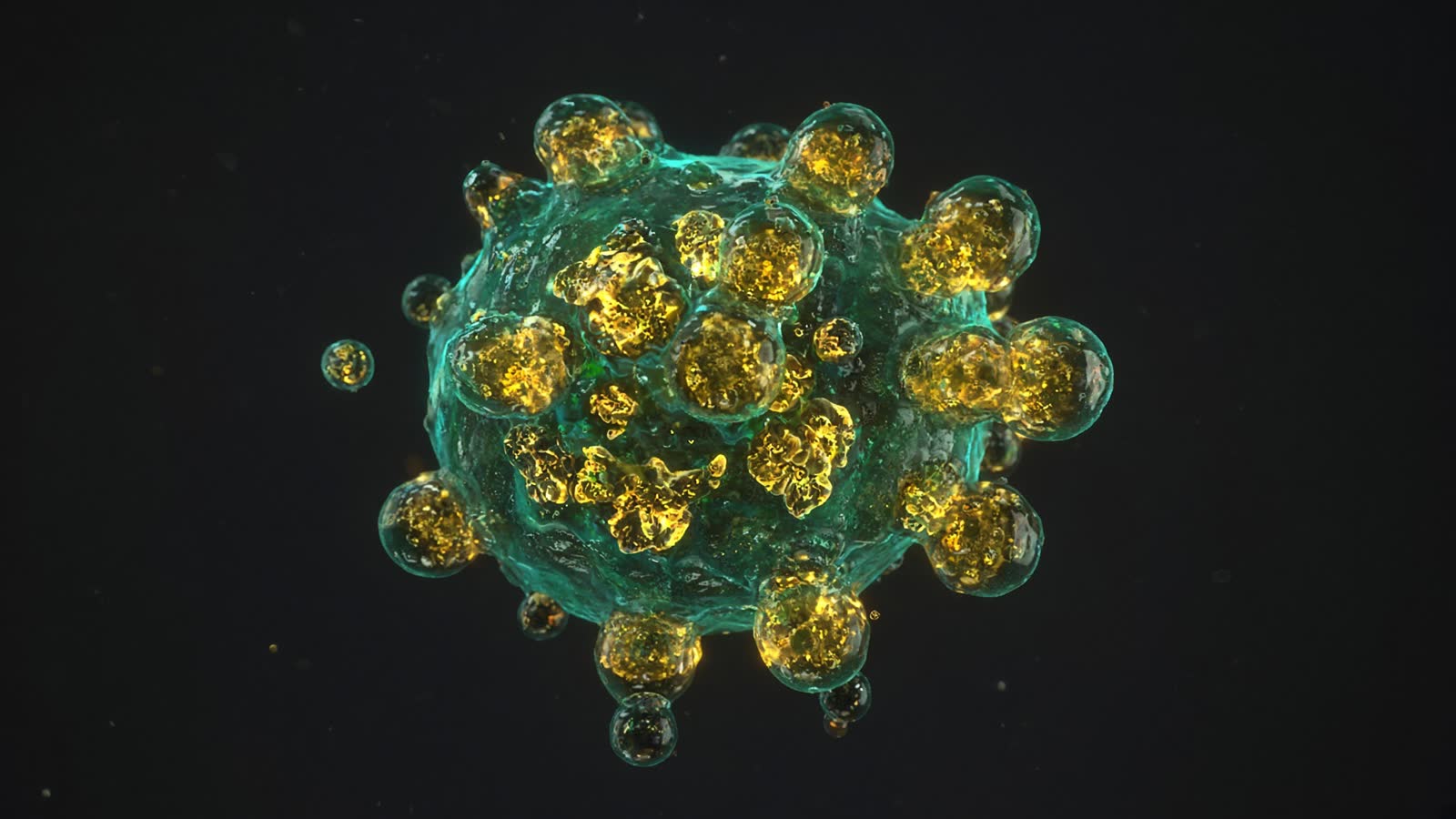
Apoptosis is an orderly self-dismantling, not a random burst. Image is illustrative.
Words we still need
A few terms are worth keeping. Each one is also in the glossary.
Apoptosis
Programmed cell death. The cell takes itself apart on purpose. That is what you want a cancer cell to do, and what p53 is supposed to order.
Humanized
The nanobody started from a camelid sequence. Humanizing it means rewriting parts so a human immune system is less likely to treat it as a stranger.
Preclinical
Tested in cells and animals, not yet in a clinical trial. PHP has described a hope of starting Phase I — the first human safety study — in 2027, if regulators allow it. Dates slip. They are not a promise.
CHO cells
Chinese hamster ovary cells. They are the standard living factory for many licensed biologic drugs. PHP53-nb is grown in them, which is a practical point: the manufacturing path looks like other medicines, not a one-off craft process.
What this page is not saying
It is not available to patients. There is no prescription, no compassionate-use program announced here, and no hospital you can call to enroll.
It is not a proven cure. Cell and zebrafish results for the peptide, and company-reported nanobody data, are encouraging starting points. They are not human outcomes.
It is not chemotherapy in a new bottle. The bet is more specific: restart a broken p53 program inside the tumor cell. Whether that bet holds in people is exactly what a future trial would have to ask.
Common questions
How does PHP Biotech’s technology work, in simple terms?
Many cancer cells disable p53, a protein that normally tells a damaged cell to stop dividing or to die. PHP53-nb is a tiny, engineered protein designed to enter those tumor cells and help restart that order. It is still in laboratory testing and is not a treatment you can get in a clinic.
What is p53?
p53 is a tumor-suppressor protein — a safety switch inside the cell. When DNA is badly damaged, p53 can halt growth or trigger apoptosis, which is an orderly form of cell death. The gene that makes p53 is called TP53. It is mutated in about half of human cancers.
What is a nanobody?
A nanobody is a very small piece of an antibody, originally found in animals such as camels and llamas. PHP53-nb is about one-tenth the size of a typical antibody drug, which may help it slip deeper into a tumor. PHP’s version is “humanized,” meaning its sequence is adjusted to look more human and reduce immune reactions.
What is 3-NAntC?
3-NAntC is a short protein fragment (a peptide) inspired by a piece of snake venom that can stress certain breast-cancer cells. Alone, peptides like this tend to fall apart in the blood. PHP builds 3-NAntC into the nanobody itself so the message and the vehicle are one piece — no chemical “tape” holding them together.
Can patients get this now?
No. PHP53-nb is investigational and not approved by the FDA. As of 2026 it has not been tested in people. Preclinical results in cells and animals do not guarantee benefit in patients.
Go deeper
If you want the technical version, the primary paper, or a conversation with the company, start here.
Reviewed against the company’s public descriptions and the open-access 3-NAntC paper (Bezerra & Motti, Molecules 2024, PMID 38611925). Last reviewed August 2026.